Understanding the Connection Between Bite Force and Enamel Integrity
The human bite possesses remarkable force, capable of exerting pressure equivalent to approximately 70 pounds per square inch during routine chewing. Whilst this force serves an essential function in breaking down food, it can become problematic when distributed unevenly across the dental arch. Teeth subjected to excessive or misdirected forces face an elevated risk of enamel fractures, a condition that compromises both aesthetic appearance and structural integrity. Orthodontic intervention offers a scientifically grounded solution to this predicament by realigning teeth and redistributing bite forces more harmoniously.
Enamel, despite being the hardest substance in the human body, remains vulnerable to fractures when subjected to repetitive stress or concentrated pressure. Misaligned teeth create focal points where bite forces concentrate disproportionately, placing certain teeth under strain that exceeds their structural capacity. Over time, this uneven distribution manifests as hairline cracks, chipping, or complete fractures that require restorative intervention. The prevention of such damage through proactive orthodontic treatment by a Specialist Orthodontist Battersea or elsewhere, represents a far more conservative approach than addressing the consequences after they occur.
Common Bite Irregularities That Threaten Tooth Structure
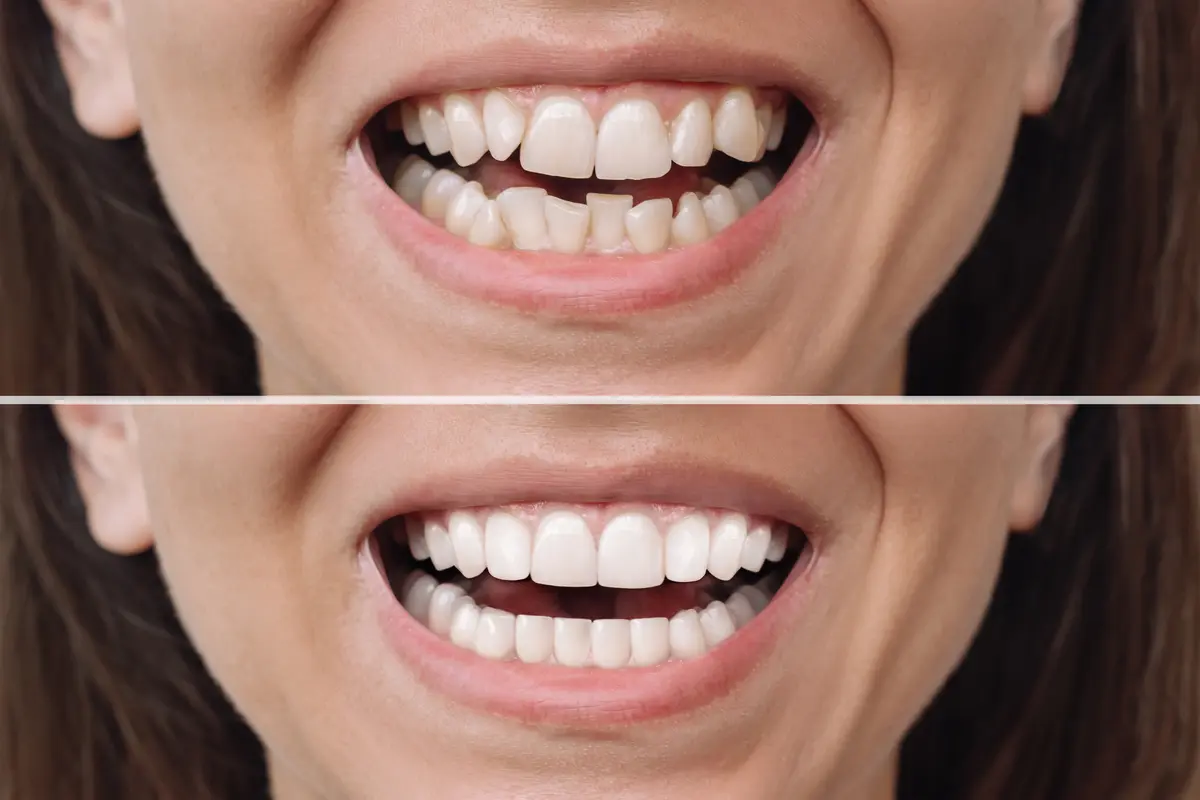
Various malocclusions contribute to the development of excessive bite forces on specific teeth. Deep bites, where upper teeth overlap lower teeth excessively, create intense pressure on anterior teeth that were not designed to withstand such force. Crossbites cause teeth to meet at awkward angles, generating shearing forces that erode enamel over time. Edge-to-edge bites eliminate the natural cushioning effect of proper occlusion, whilst open bites force posterior teeth to bear the entire burden of mastication. Understanding the different types of bite irregularities and their consequences helps patients appreciate the importance of corrective treatment.
Individuals with these conditions often remain unaware of the damage accumulating within their mouths until symptoms become apparent. The gradual nature of enamel deterioration means that by the time sensitivity or visible damage emerges, significant structural compromise has already occurred. An orthodontist can identify these risk factors during comprehensive examinations, implementing preventive strategies before irreversible damage takes hold.
The Mechanics of Orthodontic Force Redistribution
Orthodontic treatment achieves force redistribution through the careful repositioning of teeth into their optimal functional positions. When teeth align correctly, bite forces distribute evenly across the entire dental arch rather than concentrating on individual teeth.
This balanced distribution ensures that each tooth bears an appropriate share of masticatory pressure, significantly reducing the likelihood of enamel fractures. The process relies on precise biomechanical principles, with orthodontists calculating the exact movements required to achieve ideal occlusion. Through controlled application of gentle forces over extended periods, teeth migrate into positions that optimise both function and protection.
Treatment Modalities for Bite Correction
Modern orthodontics offers various approaches to correcting malocclusions and preventing enamel damage. Traditional braces remain highly effective for complex cases requiring significant tooth movement and bite adjustment. Clear aligners provide an aesthetic alternative for patients with moderate misalignment, whilst functional appliances address skeletal discrepancies that contribute to bite irregularities. Each modality serves specific purposes, and the selection depends upon the severity of malocclusion, patient age, and individual treatment goals. Professional assessment determines which approach offers optimal outcomes for protecting vulnerable teeth from excessive forces.
The duration of treatment varies considerably based on the complexity of the case, though most patients complete their orthodontic journey within 18 to 24 months. Throughout this period, regular adjustments ensure that teeth continue moving towards their intended positions whilst maintaining patient comfort. The investment in time and resources yields substantial benefits, as properly aligned teeth demonstrate enhanced longevity and reduced susceptibility to fractures. Research examining the relationship between orthodontic treatment and dental health outcomes consistently demonstrates the protective effects of corrected occlusion.
Long-Term Benefits Beyond Fracture Prevention
Whilst preventing enamel fractures represents a primary objective, orthodontic treatment delivers numerous additional advantages. Properly aligned teeth prove easier to clean, reducing the risk of decay and periodontal disease. Improved occlusion alleviates strain on jaw joints, potentially preventing temporomandibular disorders that cause chronic discomfort. Enhanced facial aesthetics and improved confidence constitute valuable psychological benefits that accompany functional improvements. Professional bite correction therapy addresses these multifaceted concerns through comprehensive treatment planning.
Protecting Your Smile for the Future
The prevention of enamel fractures through orthodontic intervention represents a proactive approach to dental health that pays dividends throughout life. By addressing bite irregularities before they cause irreversible damage, patients preserve their natural tooth structure and avoid costly restorative procedures. The combination of improved function, enhanced aesthetics, and long-term protection makes orthodontic treatment a worthwhile consideration for anyone experiencing malocclusion or uneven bite forces.