The Evolution of Dental Technology
In recent years, the intersection of dental care and artificial intelligence has created fascinating developments in how facial recognition technology interprets and analyses human features. The role of orthodontic treatment, particularly through braces Liverpool specialists and similar practitioners, has become increasingly significant in this technological landscape.
Understanding Facial Recognition and Dental Structure
Facial recognition systems rely heavily on distinctive facial features to identify individuals accurately. Recent research in biometric authentication systems has revealed that dental alignment plays a crucial role in how these systems process and recognise faces. The positioning of teeth and overall dental structure contribute significantly to facial symmetry and recognition patterns.
The Impact of Orthodontic Treatment
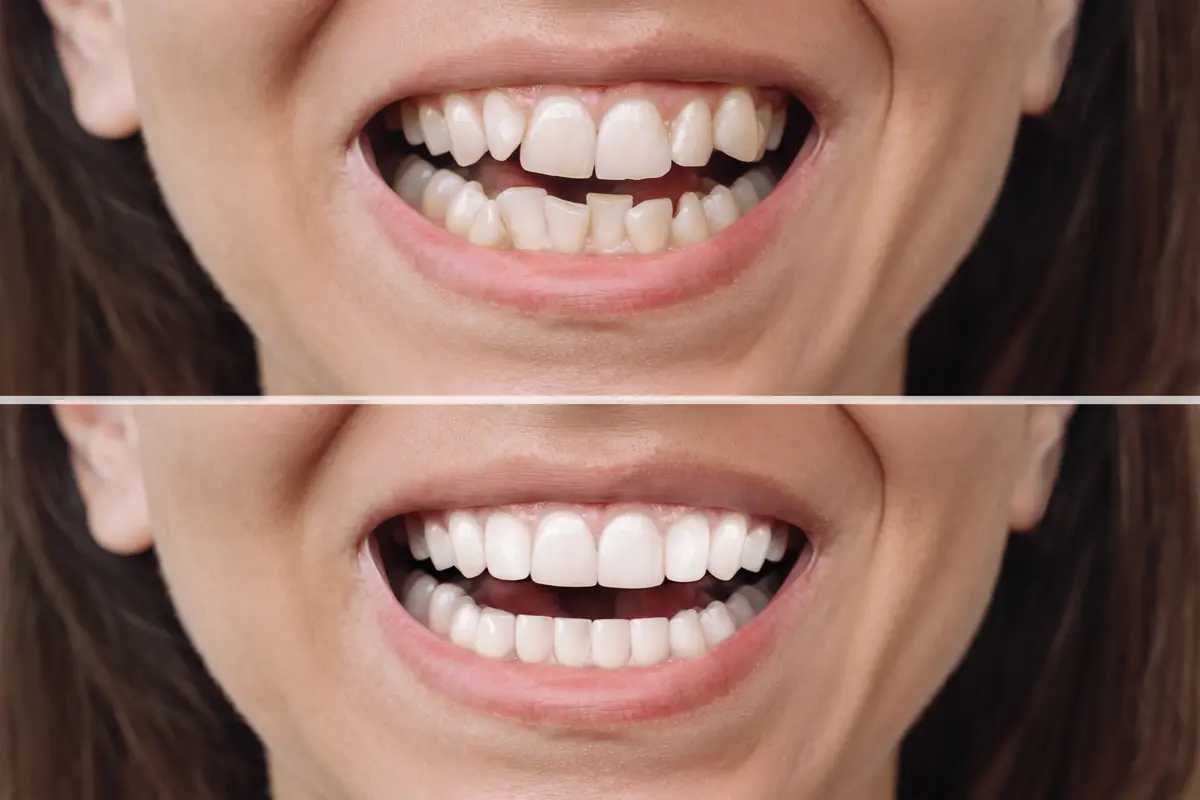
When individuals undergo orthodontic treatment, the gradual transformation of their dental structure can affect how facial recognition systems interpret their features. This process has led to interesting observations about the relationship between dental correction and biometric identification. Specialists offering braces residents rely upon are now considering these technological implications alongside traditional orthodontic goals.
Key Aspects of Recognition Technology
Several factors influence how facial recognition systems process dental features:
- Dental midline position
- Smile arc and symmetry
- Facial proportions and balance
- Lip position and support
Modern Orthodontic Applications
Contemporary orthodontic practices have begun incorporating facial recognition technology to enhance treatment planning and outcome prediction. Advanced smile analysis systems using AI-driven recognition software help practitioners determine optimal treatment approaches for each patient’s unique facial structure. The integration of these technologies has revolutionised how orthodontists approach treatment planning. By understanding how Liverpool practitioners and others worldwide implement these tools, patients can better appreciate the comprehensive nature of modern orthodontic care. This technological advancement has created a fascinating paradox where dental correction can both enhance and challenge facial recognition systems. As noted in studies about how dental changes can affect AI recognition accuracy, the relationship between orthodontic treatment and biometric systems continues to evolve.
The Science Behind Recognition Changes
The transformation of facial features through orthodontic treatment involves complex biological processes that can influence how recognition systems interpret an individual’s appearance. During the course of treatment with braces, subtle changes in facial structure can accumulate to create significant differences in how technology processes these features.
Technological Adaptations
Modern facial recognition systems have evolved to account for these gradual changes in appearance. The algorithms now incorporate machine learning capabilities that can track and adjust to modifications in facial structure over time, making them more reliable for individuals undergoing orthodontic treatment.
Patient Benefits and Considerations
Beyond the primary goal of achieving proper dental alignment, patients experiencing orthodontic treatment may notice several additional benefits:
- Enhanced facial symmetry
- Improved profile aesthetics
- Better lip support
- Increased confidence in facial recognition systems
Future Implications
The relationship between orthodontic treatment and facial recognition technology continues to develop. As both fields advance, practitioners are discovering new ways to utilise this connection for improved treatment outcomes. This symbiotic relationship between dental correction and technological recognition capabilities suggests a promising future for both disciplines.
Looking Ahead: The Future of Facial Recognition in Dentistry
The integration of facial recognition technology in orthodontic treatment represents a significant step forward in personalised dental care. As these systems become more sophisticated, they will likely play an increasingly important role in treatment planning and outcome prediction. The future may see even more advanced applications, such as:
- Real-time treatment tracking using AI-powered imaging
- Predictive modelling for long-term facial changes
- Enhanced personalisation of treatment plans
- Improved integration with other dental technologies
Moving Forward in Dental Innovation
As technology continues to advance, the relationship between orthodontic treatment and facial recognition systems will undoubtedly strengthen. This progression promises to enhance both the effectiveness of dental treatments and the accuracy of biometric systems. The journey of dental correction through modern orthodontics represents not just a path to better oral health, but also an fascinating intersection with cutting-edge technology that continues to shape our understanding of facial recognition and identity verification.